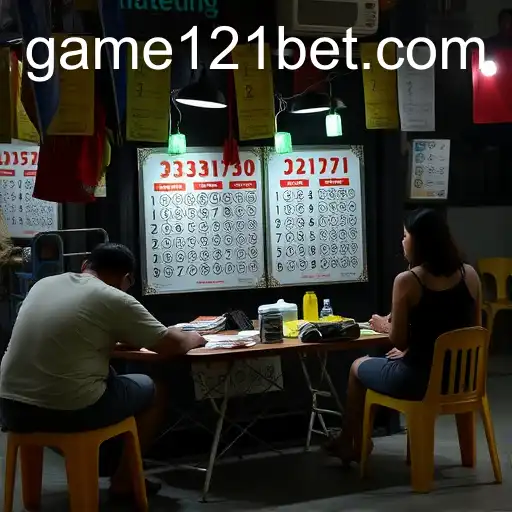
The Persistent Allure of Jueteng in Philippine Society
For centuries, Jueteng has been a well-known numbers game in the Philippines, rooted deeply in local culture despite its illegal status. This illicit lottery draws significant attention due to its simplicity and the community-oriented nature of its play. Jueteng continues to persist, ingeniously adapting to various socio-economic climates within the country. Yet, as the digital era unfolds, this traditional pastime finds itself competing with modern betting platforms, such as 121bet, that capitalize on the technological advancements of the 21st century.
Understanding Jueteng
Jueteng is a numbers game involving the drawing of two-digit combinations. Players choose numbers ranging from 1 to 37, making small bets with the potential to win substantially compared to their initial wager. The game hinges on the randomness of the draw, but it is also a product of the community's collective investment. Bettors often include locals from various walks of life, bringing a sense of solidarity and shared anticipation.
The mechanics of Jueteng are simple: draw operators or 'cabos' manage the collection of bets while 'cobradores' gather the stakes from bettors. This grassroots network is both efficient and resilient, managing to operate under the radar of law enforcement. Jueteng's resilience is attributable to the socio-cultural significance it holds for many Filipinos, often overshadowing the legal repercussions it entails.
The Economic Underpinnings of Jueteng
Economically, Jueteng thrives in areas where poverty and unemployment rates are high. The promise of a windfall from a small bet presents an enticing prospect for individuals struggling to make ends meet. This financial allure feeds into the cycle of gambling, reinforcing the game's persistent presence. Considered a social equalizer by many participants, Jueteng transcends social classes, pulling in players from diverse economic backgrounds. In many instances, rumors suggest that even those in places of power participate or tacitly endorse these operations due to financial incentives.
121bet: A Modern Twist to a Traditional Vice
In recent years, the online betting industry has flourished, with platforms such as 121bet entering the fray. These platforms offer an extensive range of gambling options, from sports betting to casino games, attracting a newer generation that favors the convenience and anonymity of digital gambling. With increased internet penetration in the region, online platforms have seen exponential growth, tapping into the legacies of traditional games like Jueteng.
The rise of platforms like 121bet represents a shift in gambling habits. For many, the transition from traditional to digital is seamless, with the same fundamental motivations driving participation. The localized version of online gambling often includes elements reminiscent of Jueteng, such as localized themes and gaming options that appeal culturally and aesthetically to the Filipino bettor.
Cultural and Social Impacts
Both Jueteng and platforms like 121bet are imbued with cultural significance. Jueteng holds historical value, often viewed not just as a game but a tradition that brings communities together. Meanwhile, 121bet and its counterparts seek to create cultural relevance through targeted marketing, using promotions and campaigns that resonate with local audiences.
Socially, the popularity of gambling, whether offline or online, poses complex challenges. While Jueteng is deeply woven into the social fabric, it also underscores systemic issues like poverty and the lack of adequate state regulation. In contrast, 121bet signifies the evolving social landscape, where digital literacy and connectivity shape new forms of community and engagement.
Legal Challenges and Future Prospects
Legally, Jueteng operates in a gray area. Despite relentless efforts by authorities to curb its influence, it remains deeply ingrained, partly due to lackluster enforcement and sometimes even institutional complicity. The rise of online platforms like 121bet introduces new legal challenges, necessitating updated regulations to account for digital betting environments. Governments and stakeholders face the uphill battle of balancing regulation with the economic benefits these platforms can provide.
Efforts to integrate traditional games like Jueteng into regulated systems have seen varied success. The implication is clear: for illegal gambling to be effectively addressed, multi-faceted strategies that consider both socio-cultural and economic factors must be adopted.
Conclusion: The Co-existence of Old and New
As the gambling landscape continues to evolve, the co-existence of traditional and digital platforms reflects broader socio-economic currents flowing through Southeast Asia. Jueteng remains a testament to the tenacity of cultural traditions, while platforms like 121bet signify the inexorable march towards digitalization. Understanding these dynamics is crucial for stakeholders seeking to navigate or disrupt the gambling ecosystem.